Peoria, AZ · Maricopa County
Attic Water Removal in Peoria, AZWet Attic Insulation Removal & Roof Leak Water Removal
Attic Water Removal in Peoria runs from roof leak water removal and wet attic insulation removal to ceiling water damage cleanup.
Answered 24/7
Expert Attic Water Removal for Peoria
After a storm in Peoria, water can enter an attic through damaged shingles, vents or holes from debris. Fast removal protects the ceiling and the rooms underneath.
In Peoria, attic water calls often start with a ceiling stain after heavy rain or a dripping AC drain. Local attic drying specialists serve Peoria, Sun City, Youngtown and Glendale, removing water and wet insulation and drying the attic.
The Attic Water Removal Process in Peoria
Wet Attic Insulation Removal
Fiberglass batts are lifted out by hand, while wet blown-in insulation is vacuumed with a high-powered insulation vacuum.
Roof Leak Water Removal
The entry point is photographed and marked, which helps both the roofer and your insurance adjuster.
Attic Mold Prevention
After drying, wood that was wet for more than a day or two can be treated with an antimicrobial to slow microbial growth.
Attic Moisture Inspection
Readings are recorded at the start and at each visit, giving a clear drying history for your records and insurer.
Ceiling Water Damage Cleanup
Fallen drywall, wet insulation and debris in the room below are cleaned up, and floors and furniture are protected during the work.
When to Consider Attic Water Removal in Peoria
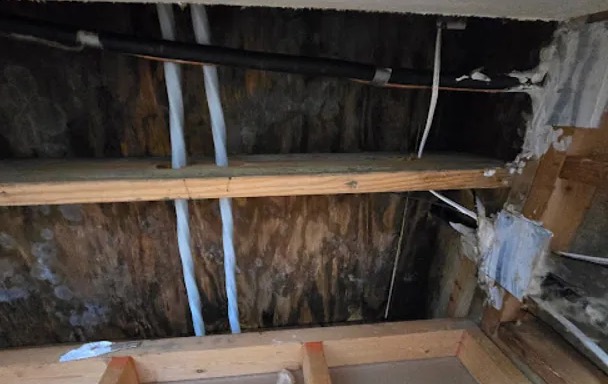
Rotting Wood on Attic Beams
Soft, dark or crumbling wood on rafters and beams points to long-term moisture.
Water Stains on Ceiling
A brown ring or yellow patch on an upstairs ceiling usually means water is sitting on the drywall from the attic.
High Utility Bills Unexpectedly
Wet insulation loses its insulating value, so energy bills can rise after an attic leak.
Peeling Paint on Ceilings or Walls
Paint that peels or blisters on upstairs ceilings and walls often has water behind it.
How Attic Water Removal Works in Peoria
Step 1: Initial Attic Water Damage Assessment
The pros check safety, find the source and map the wet area with moisture meters.
Step 2: Bulk Water and Material Removal
Pooled water, soaked insulation and any sagging drywall are removed from the attic and ceiling.
Step 3: Attic Drying and Evaporation
Warm, dry airflow is aimed at wet wood, with dehumidifiers removing the moisture it releases.
Step 4: Attic Mold Prevention
Once dry, decking and framing that stayed wet can be cleaned and treated with an antimicrobial.
Typical Sources of Attic Water Damage
Storm Damage From High Winds or Hail
High winds and hail can damage shingles and open the roof to rain during a storm.
HVAC System Leaks or Drain Pan Overflow
An attic air handler overflows when its condensate line clogs or the drain pan cracks.
Overflow From Clogged Bathroom Exhaust Ducts
Bathroom fan ducts that are loose or vented into the attic release moisture onto the wood.
Clogged or Disconnected Gutters
Clogged or loose gutters let water back up under the roof edge and into the soffits.
Attic Water Removal for Homes and Businesses
Residential Attic Water Removal
Homeowners with stored items in the attic need those moved out first. Wet boxes are dried or discarded before the attic floor is cleaned and dried.
Commercial Attic Water Removal
Offices and stores need the space below protected while attic work is under way. Drying is planned around business hours where possible.
Why Hire Local Pros for Attic Water Removal
If you can do it safely, look into the attic with a flashlight to find the wet area. Removing soaked insulation and drying the framing needs boards, protective gear and equipment.
Understanding Attic Water Removal Pricing
Roof or plumbing repair is billed separately from water removal and drying. In Peoria, both are needed after most attic leaks.
Access and Attic Complexity
Low headroom and small access hatches make attic work slower than open spaces.
Secondary Damage Repairs
Ceiling drywall replacement and paint in the room below add to the total.
Emergency Service Timing
Storm, night and holiday calls can cost more than a scheduled visit.
Does Insurance Cover Attic Water Removal?
Photograph the attic, the ceiling and any roof damage before cleanup, and keep receipts for tarping and emergency water removal.
Benefits of Local Pros for Attic Water Removal
24/7 Emergency Response
Help is available day or night when water is coming through the ceiling.
Damage Documentation
Photos, readings and a list of removed materials are kept for insurance.
Industry Drying Standards
Drying follows industry water damage standards, with moisture readings taken at every visit.
Emergency Attic Water Removal Available Anytime
If water is dripping from a light fixture, shut off that circuit at the panel and keep clear. Then call (480) 526-4676 for help in Peoria.
Call Now (480) 526-4676Attic Water Removal Service Area Around Peoria
Attic water removal and drying also cover homes and buildings in Sun City, Youngtown and Glendale, close to Peoria, day or night.
- Attic Water Removal in Sun City
- Attic Water Removal in Youngtown
- Attic Water Removal in Glendale
- Attic Water Removal in El Mirage
- Attic Water Removal in Maryvale
- Attic Water Removal in Terramar
- Attic Water Removal in Westwing Mountain
- Attic Water Removal in Stetson Valley
- Emergency Damage Restoration in 85345
- Storm Damage Restoration in 85345
- Water Damage Restoration in 85345
- Water Extraction Service in 85345
- Water Leak Detection in 85345
- Water Removal Service in 85345
- Emergency Damage Restoration in 85380
- Storm Damage Restoration in 85380
Common Attic Water Removal Queries Answered
How quickly should I deal with water in my attic?
Right away. Water on top of ceiling drywall soaks in and adds weight, and the ceiling can sag or fall within a day.
What does water damaged attic restoration include after drying?
New insulation, any decking or framing repairs, and ceiling drywall replacement and paint in the room below.
What are attic dehumidification services?
Dehumidifiers placed in the attic pull moisture from the air and wood, speeding drying after a leak.
What equipment is used for attic water extraction?
Wet vacs, pumps, air movers, dehumidifiers, moisture meters and thermal cameras, plus vacuums for wet insulation.
Can I remove attic water myself?
Only small amounts that are easy to reach safely. Pooled water and soaked insulation need safe footing and drying equipment.