North Mountain, AZ · Maricopa County
Basement Water Removal in North Mountain, AZBasement Moisture Inspection & Basement Dehumidification
Basement Water Removal in North Mountain includes basement water pump out, basement drying services and basement moisture inspection.
Answered 24/7
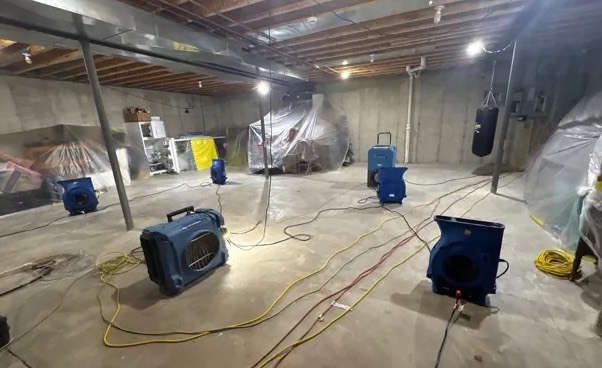
Expert Basement Water Removal in North Mountain, Moon Valley, Deer Valley and Glendale
A wet basement gets worse every hour the water stays. In North Mountain, water on a basement floor wicks up drywall, soaks carpet pad and seeps into the concrete, and cool below-grade air keeps it from drying on its own.
In North Mountain, when a basement or below-grade room takes on water, it usually follows heavy rain, a sewer backup or a burst pipe. Local basement water removal pros serve North Mountain, Moon Valley, Deer Valley and Glendale, pumping water out and drying the space.
Professional Basement Water Removal Offerings
Basement Moisture Inspection
An inspection shows how high water wicked up the walls and how far it spread under flooring, which sets the drying plan.
Basement Dehumidification
Dehumidifiers run continuously during drying, and their output is checked to track how much water is still coming out of the materials.
Basement Water Pump Out
Pumping starts once power to the basement is safe. Deep water goes first, then extractors handle the thin layer left on the floor.
Emergency Basement Flooding
A flooded basement threatens the furnace, water heater and anything stored on the floor. Fast pumping protects what can still be saved.
Basement Floor Water Damage
Concrete floors are squeegeed, extracted and dried with airflow and dehumidifiers until moisture readings drop.
When to Call for Basement Water Removal in North Mountain
Efflorescence on Concrete Walls
White, powdery deposits on concrete walls mean water is passing through the masonry.
Wet or Damp Basement Walls
Basement walls that look dark, feel damp or show tide lines are taking on or holding water.
Rusted Appliances or Furniture
Rust on appliance bases, furniture legs or metal shelving points to standing water or long-term dampness.
Water Stains on Walls or Ceiling
Stains on lower walls or the ceiling below a bathroom or kitchen point to a leak.
How Basement Water Removal Works in North Mountain
Step 1: Safety Assessment and Pump Out
Electrical hazards are checked, then deep water is pumped outside away from the foundation.
Step 2: Content Removal and Damage Documentation
Wet belongings are moved, and photos record the water level and damaged materials.
Step 3: Targeted Water Removal and Drying
Carpet is extracted, wet drywall is cut back and air is aimed at walls and the slab.
Step 4: Sanitization and Moisture Control
Surfaces touched by dirty water are disinfected, and dehumidifiers keep humidity low.
Common Causes of Basement Water Damage in North Mountain
Sewer Line Backups and Blockages
A blocked sewer line can push wastewater up through basement floor drains and toilets.
Improper Landscape Grading
Soil that slopes toward the house directs rainwater straight to the basement walls.
Window Well Leaks and Drainage
Window wells without drains or covers fill with rain and leak through the windows.
Plumbing Leaks or Pipe Bursts
Supply lines, drain pipes and water heaters in the basement can leak or burst onto the floor.
Basement Water Removal for Homes and Businesses
Residential Basement Water Removal
Finished basements used as bedrooms or family rooms need careful moisture checks behind walls and under flooring, since that is where water hides.
Commercial Basement Water Removal
Businesses with below-grade storage need wet inventory moved out and documented. Drying is planned around daily operations wherever possible.
Basement Water Removal vs. DIY: When to Call the Pros
Do not step into basement water if cords, outlets or appliances are in it. Shut off power at the panel only if you can reach it from a dry spot, then call (480) 526-4676.
Factors Affecting Basement Water Removal Cost
The cost of basement water removal in North Mountain depends on how deep the water is, what type of water it is and how much finished material has to come out.
Basement Square Footage
Larger basements need more extraction, more drying equipment and more days of drying.
Drying Time Required
Basements dry slowly, and each extra day of equipment adds to the total.
Water Depth and Volume
Deeper water takes more pumping time and usually means more materials got wet.
Does Insurance Cover Basement Water Removal?
Ask your adjuster early how your policy treats seepage and sewer backups, since many policies limit or exclude both kinds of water.
Advantages of Local Basement Water Removal Experts
Industry Drying Standards
Water removal and drying follow industry water damage standards, with readings at every visit.
Detailed Damage Documentation
Photos, readings and drying logs are kept to support your insurance claim.
Post-Service Moisture Verification
Final readings are recorded before equipment leaves, so you know the basement is dry.
24/7 Basement Water Removal When You Need It
Standing water in a basement soaks walls and floors by the hour. Call (480) 526-4676 for basement water removal in North Mountain at any time, day or night.
Call Now (480) 526-4676Communities Served for Basement Water Removal
Other places served are listed below, each with its own page.
Answers to Top Basement Water Removal Queries
Does basement flood cleanup include mold prevention?
Fast drying is the main prevention. Wood and concrete that stayed wet can be treated with an antimicrobial once dry.
How is basement wall drying done?
Wet drywall is cut back, insulation removed and directed airflow and dehumidifiers dry the studs and masonry.
What equipment is used for basement water extraction?
Submersible pumps, extractors, wet vacs, air movers, large dehumidifiers and moisture meters to confirm drying.
How does a basement moisture inspection work?
Moisture meters and thermal cameras check walls, floors and the slab, including behind finished walls and under flooring.
How is contaminated water handled in a basement?
With protective gear, containment, removal of porous materials and disinfection of hard surfaces before drying.