Ahwatukee, AZ · Maricopa County
Clean Water Extraction (Category 1) in Ahwatukee, AZHard Surface Floor Drying & Appliance Leak Water Cleanup
Clean Water Extraction (Category 1) in Ahwatukee covers standing water pump out, wet carpet water extraction and hard surface floor drying.
Answered 24/7
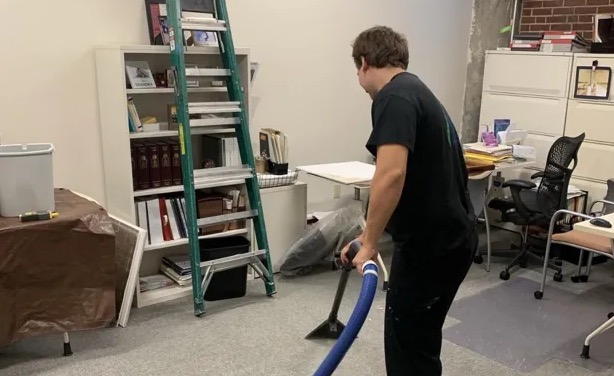
Professional Clean Water Extraction (Category 1) in Ahwatukee, AZ
Category 1 water is clean water from a sanitary source: a broken supply line, a leaking water heater, an overflowing sink with no waste in it. In Ahwatukee, it is the most common kind of water damage, and the easiest to recover from when handled fast.
A supply line break in Ahwatukee can flood a room quickly. Local restoration pros serve Ahwatukee and nearby Laveen, Komatke and Tempe, with help available around the clock.
The Clean Water Extraction (Category 1) Process for Properties in Ahwatukee
Hard Surface Floor Drying
Tile, sealed concrete and hardwood are squeegeed and extracted, then dried with air movers. Grout lines and seams are checked for water underneath.
Appliance Leak Water Cleanup
Clean appliance water dried quickly usually leaves cabinets and flooring in good shape. Readings confirm when the area is dry.
Wet Carpet Water Extraction
Carpet pad is checked after extraction. Pad soaked through is often replaced, while the carpet above is floated and dried.
Clean Water Removal From Flooring
Floors are dried until readings match unaffected areas, so new flooring or refinishing does not trap moisture.
Standing Water Pump Out
Standing water from a supply line or appliance is pumped out with submersible pumps when it is more than shallow, then floors are extracted.
Warning Signs of Water Damage in Ahwatukee
Damp Hardwood or Tile Floors
Hardwood or tile that feels damp, or grout that stays dark, has water soaking in or underneath.
Sudden Indoor Flooding
Water spreading across a floor suddenly means a supply line or appliance has failed and needs shutting off.
Damp or Soft Drywall
Drywall that feels soft or damp near the floor has wicked up water from a leak.
Buckling Laminate Flooring
Laminate that buckles, cups or lifts at the seams has water trapped underneath it.
How Clean Water Extraction (Category 1) Works in Ahwatukee
Step 1: Containment and Content Protection
Furniture is moved or blocked up, and dry rooms are protected from the spreading water.
Step 2: High-Volume Water Extraction
Pumps and extractors pull water from floors, carpet and under cabinets and appliances.
Step 3: Applied Structural Drying
Air movers and dehumidifiers dry walls, floors and framing, adjusted as readings drop.
Step 4: Final Clearance Readings
Readings across the area are compared to dry rooms before equipment is removed.
Frequent Sources of Home Water Leaks in Ahwatukee
Hydrostatic Pressure in Slabs
Groundwater pressure under a slab can push clean water up through cracks in the floor.
Supply Line Breaks
Toilet, faucet and appliance supply lines split or loosen and release water under pressure.
Plumbing Fixture Leaks
Faucets, valves and fixtures develop slow leaks that wet cabinets and floors over time.
Roof Leaks From Rain
Rain entering through a roof leak is usually clean when it first reaches the ceiling and floor.
Residential & Commercial Clean Water Extraction (Category 1) in Ahwatukee
Residential Clean Water Extraction (Category 1)
In two-story homes, a clean water leak upstairs often reaches the ceiling below. Both levels are extracted and dried.
Commercial Clean Water Extraction (Category 1)
Warehouses and large spaces may need extra pumps and dehumidifiers for open floors, sized to the area that got wet.
When to Hire Local Pros for Clean Water Extraction (Category 1) in Ahwatukee
A shop vac can help with shallow water on hard floors, but it cannot press water out of carpet pad or dry wall cavities. Call (480) 526-4676 for extraction and drying.
Considerations for Clean Water Extraction (Category 1) Expenses in Ahwatukee
In Ahwatukee, clean water jobs usually cost less than dirty water jobs, because more carpet, drywall and flooring can be dried in place.
Equipment Needs
The number of air movers, dehumidifiers and pumps needed, and for how long, drives much of the cost.
Drying Time Duration
Drying usually takes a few days, and each extra day adds equipment time to the total.
Water Category and Source
Clean water costs less to handle than gray or black water, since more materials can be dried in place.
Does Insurance Cover Clean Water Extraction (Category 1)?
Insurers often want to see that the water was dealt with quickly. Starting extraction right away and keeping records helps show that.
The Value of Professional Clean Water Extraction (Category 1) in Ahwatukee
Drying Plan
Drying follows a set plan based on readings, with equipment moved as each area dries.
Content Protection and Moving
Furniture and belongings are moved or blocked up so they stay dry and do not stain carpet.
Clear Communication and Updates
You get plain updates on what is wet, what can be saved and how long drying should take.
Around-the-Clock Clean Water Extraction (Category 1) in Ahwatukee
If water is near outlets or cords, turn off power at the panel if it is safe and stay out of the water. Then call (480) 526-4676 for help in Ahwatukee.
Call Now (480) 526-4676Local Clean Water Extraction (Category 1) Areas Including Ahwatukee
Other places served are listed below, each with its own page.
- Clean Water Extraction (Category 1) in Laveen
- Clean Water Extraction (Category 1) in Komatke
- Clean Water Extraction (Category 1) in Tempe
- Clean Water Extraction (Category 1) in St. Johns
- Clean Water Extraction (Category 1) in Roosevelt Row
- Clean Water Extraction (Category 1) in Alta Mesa
- Clean Water Extraction (Category 1) in Bapchule
- Clean Water Extraction (Category 1) in Queen Creek
Your Clean Water Extraction (Category 1) Questions Addressed
What happens after the water is pumped out?
Carpet and floors are extracted, walls and subfloors are checked with meters and drying equipment runs until readings are normal.
What is the goal of water mitigation services?
To limit the damage by removing water fast and drying materials before they need to be replaced.
Does a ceiling leak need special extraction methods?
Yes. The ceiling is drained through a small opening, wet insulation is removed and the cavity above is dried.
How is moisture detected after water extraction?
Moisture meters and thermal cameras check floors, walls and ceilings, comparing readings to dry, unaffected areas.
What methods are used for water behind walls?
Small holes or removed baseboards let air into the cavity, wet insulation is removed and the wall is dried until readings are normal.