Cooper Commons, AZ · Maricopa County
Desiccant Dehumidification in Cooper Commons, AZWater Damage Dehumidification & Crawl Space Drying
Desiccant Dehumidification in Cooper Commons runs from emergency dehumidification and flood drying services to firefighting water drying.
Answered 24/7
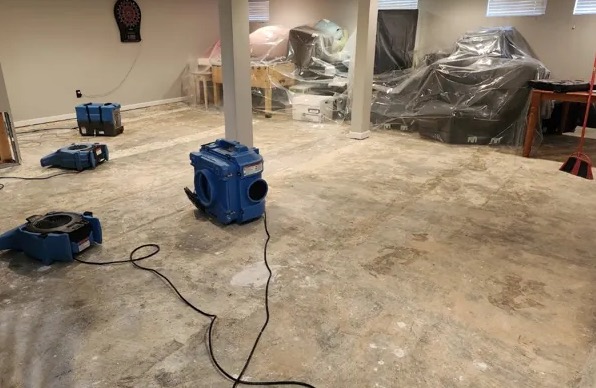
Desiccant Dehumidification: Moisture Control in Cooper Commons
Desiccant Dehumidification in Cooper Commons is not needed for every job. Small leaks in warm rooms often dry well with standard dehumidifiers. Cool spaces, large buildings and dense materials are where desiccant units help most.
Property owners in Cooper Commons can call (480) 526-4676 day or night when water damage needs drying. Service also covers Solera, Fulton Ranch and Sun Lakes, with equipment sized to the space.
Desiccant Dehumidification Options Available in Cooper Commons
Water Damage Dehumidification
Desiccant or refrigerant dehumidifiers are chosen based on the space, the temperature and how dry the air needs to get.
Crawl Space Drying
Readings on the wood framing are taken at each visit until they return to normal levels.
Emergency Dehumidification
Emergency dehumidification starts as soon as standing water is removed, which limits swelling, warping and odor.
Mold Prevention Drying
Drying continues until readings on the remaining framing are normal, before walls are closed up again.
Flood Drying Services
After floodwater is pumped out, desiccant dehumidifiers can bring the air to very low humidity, which pulls moisture out of walls, floors and framing faster.
Red Flags for Desiccant Dehumidification in Cooper Commons Properties
Visible Condensation on Windows
Windows that fog or drip inside show the air holds too much moisture for materials to dry.
Wet Insulation in Attics or Walls
Insulation that is wet in attics or walls holds water against framing and slows drying.
Musty Smell in Stored Items
Boxes and fabrics that smell musty show the space has stayed damp too long.
Efflorescence on Masonry Surfaces
White, powdery deposits on masonry show water moving through concrete or block.
How Desiccant Dehumidification Works in Cooper Commons
Step 1: Moisture Mapping
Readings across walls, floors and framing show exactly where moisture remains in the building.
Step 2: Equipment Placement
Dehumidifiers and air movers are placed where the moisture readings are highest.
Step 3: Continuous Moisture Extraction
Drying runs until the wettest areas match the rest of the building.
Step 4: Confirmation and Reporting
A report shows the starting and final moisture readings for each area that was dried.
Typical Moisture Intrusions and Desiccant Dehumidification in Cooper Commons
Appliance Malfunctions and Overflows
Washers, dishwashers and water heaters that leak leave wet floors, cabinets and walls.
Foundation Cracks and Seepage
Foundation cracks let groundwater seep into lower levels, keeping walls and floors damp.
Fire Suppression System Activation
Fire sprinklers and firefighting water soak large areas of a building at once.
HVAC System Condensation Issues
Clogged AC drain lines overflow into attics, closets and the ceilings below them.
Residential and Commercial Desiccant Dehumidification in Cooper Commons
Residential Desiccant Dehumidification
In homes, desiccant drying is most often used in crawl spaces and cool lower levels after leaks or floods. Standard units are used in warm rooms where they work well.
Commercial Desiccant Dehumidification
In commercial buildings, high-capacity desiccant units can dry large floors and high-ceiling spaces after sprinkler leaks or floods, with drying planned around business hours.
Why DIY Falls Short for Desiccant Dehumidification in Cooper Commons
For a small spill in a warm room, a household dehumidifier and fan may be enough. Call local desiccant dehumidification experts if drywall, flooring or framing got wet or the space is cool and damp.
Investing in Desiccant Dehumidification for Cooper Commons Properties
Large commercial buildings and construction sites in Cooper Commons may need high-capacity units and ducting, which affects the total.
Moisture Saturation Level
Materials that are fully soaked take longer to dry than lightly damp ones.
Type of Water Damage
Floodwater and sewage need cleaning and removal of materials before drying, which adds cost.
Time of Response
Night, weekend and holiday setup can cost more than a scheduled weekday visit.
Does Insurance Cover Desiccant Dehumidification?
Coverage for desiccant dehumidification depends on the cause of the water and your policy. The pros document the drying, and your insurer decides what is covered.
The Value of Local Pros for Desiccant Dehumidification in Cooper Commons
Prevention of Mold
Fast, complete drying is one of the main ways to keep mold from starting after water damage.
24/7 Emergency Response
Help is available day or night to set up drying equipment after a leak or flood.
Desiccant Equipment
Desiccant units are used where they fit, such as cool spaces, crawl spaces and large buildings.
24/7 Emergency Desiccant Dehumidification in Cooper Commons
Crawl space or lower level wet after a storm? Call (480) 526-4676 now for desiccant dehumidification in Cooper Commons before the framing stays damp.
Call Now (480) 526-4676Desiccant Dehumidification Service Area Including Cooper Commons
Each place listed below has its own page with local details.
- Desiccant Dehumidification in Solera
- Desiccant Dehumidification in Fulton Ranch
- Desiccant Dehumidification in Sun Lakes
- Desiccant Dehumidification in Ocotillo
- Desiccant Dehumidification in Paseo Trail
- Desiccant Dehumidification in Val Vista Lakes
- Desiccant Dehumidification in Agritopia
- Desiccant Dehumidification in Mesa
Frequently Asked Questions About Desiccant Dehumidification
Is desiccant dehumidifier rental available for DIY projects?
Units can be rented, but they need correct setup, and readings are needed to know when materials are dry.
What is the goal of flood drying services?
To remove the moisture left after floodwater is pumped out so the building can be cleaned and repaired.
How are moisture levels monitored during drying?
With hygrometers for air and moisture meters for drywall, wood and concrete, checked every day.
What equipment is used for commercial building drying?
High-capacity desiccant or refrigerant dehumidifiers, air movers, moisture meters and sometimes ducting to direct dry air.
Can desiccant dehumidification help prevent mold?
Yes. Lowering humidity and drying materials quickly is one of the main ways to keep mold from starting.