Buckeye, AZ · Maricopa County
Floodwater Removal in Buckeye, AZFlood Damaged Drywall Removal & Sewage Flood Cleanup
Floodwater Removal in Buckeye covers flooded carpet water removal, storm flood water pumping, and contaminated floodwater removal.
Answered 24/7
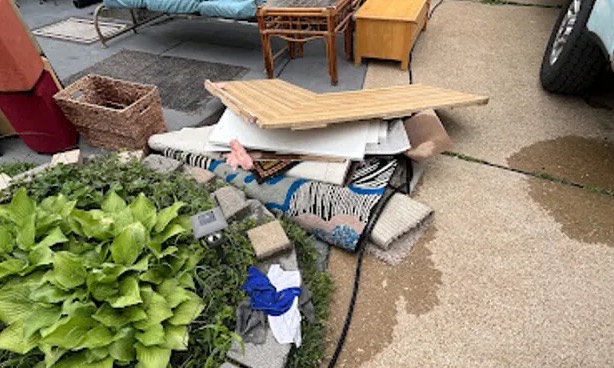
Floodwater Removal Response for Buckeye Properties
In Buckeye, removing floodwater is the first step before any repair work, from new drywall to new flooring.
In Buckeye, floodwater needs to come out quickly. Local flood damage pros remove standing water and dry the home, and they also work in nearby Estrella Mountain Ranch, Verrado and Tartesso.
Comprehensive Floodwater Removal Solutions in Buckeye
Flood Damaged Drywall Removal
Drywall is highly porous and often unsalvageable after flood contact. Water removal pros carefully cut and remove saturated drywall sections to expose wall cavities for drying and inspection.
Sewage Flood Cleanup
Floodwater containing sewage is considered hazardous. The cleanup process begins with extracting the contaminated water using equipment designed for contaminated water.
Contaminated Floodwater Removal
Floodwater often carries dirt, chemicals, and biological contaminants. After extraction, the cleanup phase involves pressure washing, scrubbing, and applying cleaning agents to affected surfaces.
Emergency Flood Damage Mitigation
Flood damage mitigation is about swift action to minimize loss. This emergency service includes stopping the water source if possible, extracting standing water, and implementing temporary protective measures.
Flooded Room Drying Services
Structural drying is a critical phase after floodwater removal. Experts use moisture meters and thermal imaging to locate hidden dampness, then strategically place drying equipment.
How to Know You Need Floodwater Removal in Buckeye
Sewage Backflow or Contaminated Water
Sewage or contaminated floodwater is a health risk and needs protective gear and disinfection to clean up.
Foundation Cracks Seeping Water
Water seeping through foundation cracks needs pumping out, and the crack should be checked once the area is dry.
Visible Water Lines on Walls
Visible water lines on drywall indicate significant water intrusion. The wet section of drywall usually has to be cut out.
Bowed or Buckling Flooring
Sagging or soft walls and floors after a flood mean the structure is soaked and needs drying soon.
How Floodwater Removal Works in Buckeye
Step 1: Emergency Assessment and Water Extraction
The pros check safety and how far the flooding spread, then extractors remove the standing water.
Step 2: Targeted Flooded Carpet Water Removal
Weighted extractors pull deep water out of carpet and pad to prevent stains, odor and subfloor damage.
Step 3: Post Flood Drying and Dehumidification
Air movers and dehumidifiers are placed to dry the walls, floors and air.
Step 4: Final Verification and Documentation
Using moisture meters, the experts verify all materials meet dry targets. They document the process for your records and insurance needs.
Leading Causes of Floodwater Intrusion in Buckeye
Landscaping and Grading Issues
Yard grading that slopes toward the building sends storm water at the walls instead of away.
Appliance Malfunctions
Failed washing machine hoses, water heaters, or dishwasher lines can flood a room.
Natural Waterway Overflow
Rivers, creeks or lakes overflowing their banks can push floodwater into nearby properties.
Severe Weather and Storms
Heavy rain can overwhelm drains and cause flash flooding that leaves standing water in homes and businesses.
Both Residential and Commercial Floodwater Removal in Buckeye
Residential Floodwater Removal
Home flood cleanup focuses on salvaging personal belongings and preventing secondary damage like mold. The pros pull water from carpet and dry the walls and subfloors after the flood.
Commercial Floodwater Removal
In offices, stores and warehouses, floodwater removal has to protect stock and meet safety rules. Large extraction equipment removes the water and drying covers both the building and its contents.
When to Call the Pros for Floodwater Removal in Buckeye
Take photos and video of every wet area and item for your insurer, and make a list of damaged property. Do not throw things out before the adjuster sees them. The pros also provide records.
Factors Influencing Floodwater Removal Cost in Buckeye
In Maricopa County, cost depends on labor hours for pumping, the size of the flooded area and how much drying equipment the job needs.
Additional Restoration Services
Follow-up work like antimicrobial treatment or cleaning contents adds to the total.
Affected Materials and Demolition
Porous materials like drywall and insulation often have to be removed, which adds cost.
Water Category and Contamination
Gray or black water from sewage needs more protective steps and disinfection than clean water.
Does Insurance Cover Floodwater Removal?
Homeowners policies may cover sudden water from inside, like a burst pipe, while outside flooding often needs separate flood insurance. The pros take photos and readings, and your insurer decides.
Benefits of Local Pros for Floodwater Removal in Buckeye
Contaminated Water Protocols
For sewage, protective gear and disinfection are used to deal with the health risks.
IICRC-Standard Water Extraction
Water is removed and dried following industry standards, which helps prevent mold and further damage.
Advanced Moisture Detection
Moisture meters and thermal cameras find hidden dampness in walls and subfloors.
Around-the-Clock Emergency Floodwater Removal in Buckeye
Flooding needs a fast response before water soaks deeper. If floodwater or sewage is in your Buckeye property, call (480) 526-4676 now.
Call Now (480) 526-4676Floodwater Removal Available Throughout Maricopa County
Flood cleanup and drying in Buckeye take pumps, extractors and dehumidifiers. The pros serve the area, including Estrella Mountain Ranch, Verrado and Tartesso, with 24/7 response.
- Floodwater Removal in Estrella Mountain Ranch
- Floodwater Removal in Verrado
- Floodwater Removal in Tartesso
- Floodwater Removal in Tuscany Falls
- Floodwater Removal in Pebblecreek
- Floodwater Removal in Goodyear
- Floodwater Removal in Litchfield Park
- Floodwater Removal in Waddell
- Emergency Damage Restoration in 85326
- Storm Damage Restoration in 85326
- Water Damage Restoration in 85326
- Water Extraction Service in 85326
- Water Leak Detection in 85326
- Water Removal Service in 85326
- Emergency Damage Restoration in 85396
- Storm Damage Restoration in 85396
FAQ: Floodwater Removal in Buckeye
How long does flooded room drying take?
It depends on the materials, humidity and amount of water. Most jobs take several days of drying.
What steps are taken for water trapped beneath flooring?
Extraction tools draw water from subfloors, though sometimes the flooring has to come up so the subfloor can dry.
What are the risks of delayed flood cleanup services?
Waiting raises the risk of mold, stains, odors and damage to the structure, which makes the job bigger and more expensive.
What equipment is used for water extraction service?
Submersible pumps for deep water, truck-mounted or portable extractors for carpet, and air movers and dehumidifiers for drying.
Can flooded carpet be saved after water removal?
It depends on the type of water and how long it sat. Carpet soaked by clean water can often be saved if it is extracted and dried quickly.