San Tan Valley, AZ · Pinal County
HVAC Leak Water Removal in San Tan Valley, AZWet Insulation Removal Near HVAC & HVAC Drain Line Flood Cleanup
HVAC Leak Water Removal in San Tan Valley includes emergency HVAC leak cleanup, wet insulation removal near HVAC and coil leak water damage repair.
Answered 24/7
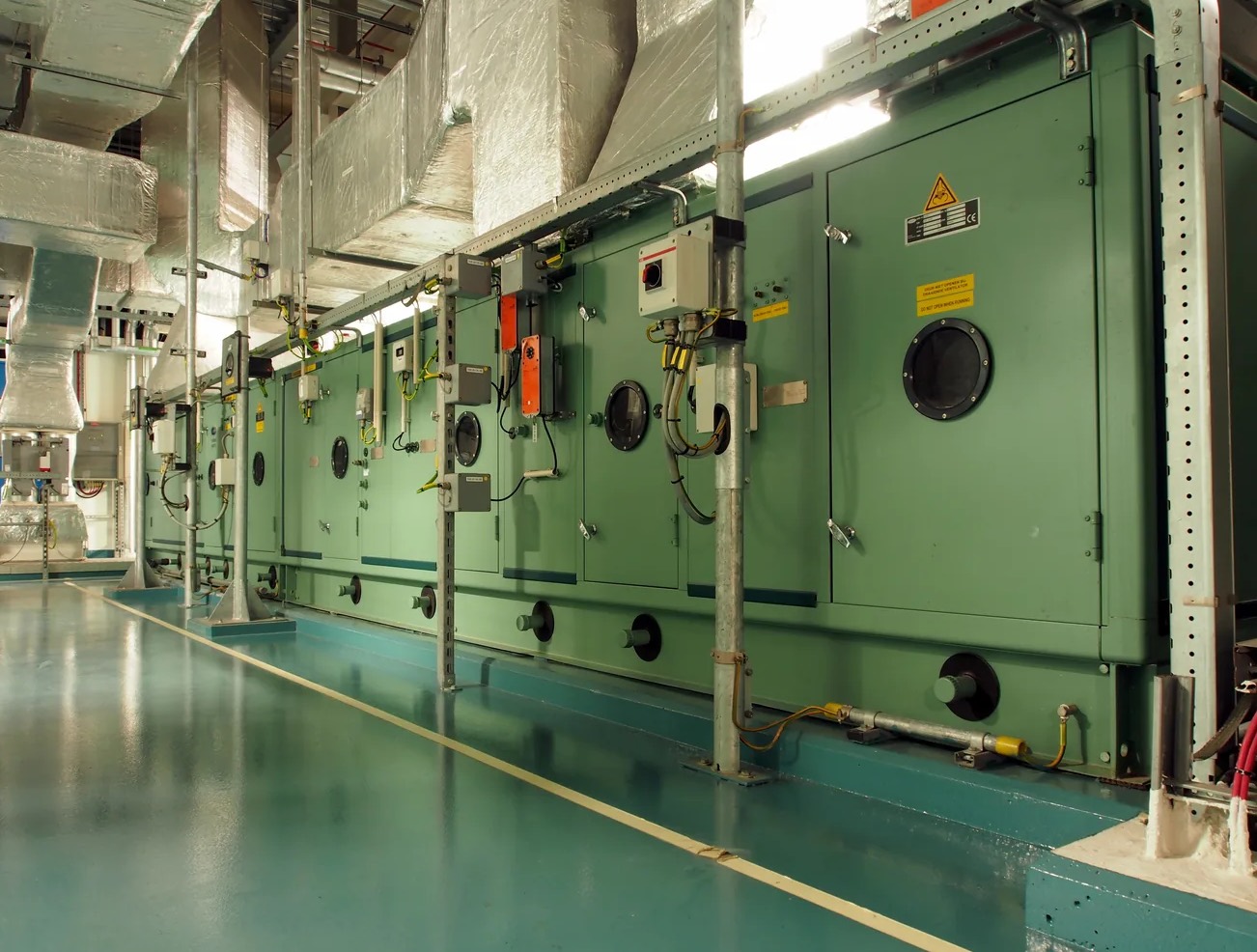
Professional HVAC Leak Water Removal in San Tan Valley, AZ
An HVAC leak in San Tan Valley rarely stays at the unit. Water runs out of the pan, across the closet floor and under walls, and attic units drip straight through the ceiling below.
When an HVAC leak occurs in San Tan Valley, water needs to come out quickly to protect interior finishes and electrical systems. Local water removal pros serve this community and nearby areas like Queen Creek, Seville and Power Ranch, extracting water around the unit and drying wet ductwork before damage spreads.
HVAC Leak Water Removal Services in San Tan Valley
Wet Insulation Removal Near HVAC
Wet attic insulation near ductwork or an air handler often must be removed. Restoration pros assess the wetness and remove affected sections.
HVAC Drain Line Flood Cleanup
A backed-up HVAC drain line can flood a closet or utility area in San Tan Valley. The water is extracted and drying starts on the floor and lower walls.
AC Condensate Leak Water Removal
A rusted or cracked condensate pan leaks directly from the AC coil. Prompt water removal prevents corrosion and electrical hazards.
HVAC Cabinet Water Extraction
Standing water in the cabinet rusts the pan, panels and fasteners. Getting it out early stops that, and the cabinet is dried before the system runs again.
Moisture Remediation for HVAC Systems
Once the leak stops, dehumidifiers and air movers are placed to dry the air handler closet, nearby ducts and the room, following industry drying standards.
Signs You Require HVAC Leak Water Removal in San Tan Valley
Wet or Sagging Insulation Nearby
Damp insulation around an attic unit or in nearby walls holds water against the drywall and framing.
Musty Odors Near Air Vents
A musty smell when the system runs can point to wet insulation or mold inside the unit or ducts.
Water Damage to Flooring
Warped laminate, cupped hardwood or soaked carpet near the HVAC unit shows the leak has reached the floor.
Visible Rust on Metal Components
Rust forming on the evaporator coil cabinet, drain pan, or supports indicates prolonged moisture exposure.
How HVAC Leak Water Removal Works in San Tan Valley
Step 1: Water Removal Initiation
The pros use pumps and wet vacuums to remove the bulk water from a flooded drain line area.
Step 2: Detailed Moisture Detection
Meters and thermal cameras check concealed spaces so no wet spot behind a wall or above a ceiling is missed.
Step 3: Controlled Drying Environment
Professionals create a controlled environment with dehumidifiers and air movers to dry wet ductwork, insulation and building materials.
Step 4: Final Clearance and Prevention Advice
A final check confirms everything is dry, and you get tips on keeping the condensate drain clear.
Frequent Sources of HVAC Leak Water Damage in San Tan Valley
Refrigerant Leak at the Coil
A pinhole leak in the evaporator coil itself can allow refrigerant and moisture to escape simultaneously.
Excessive Ductwork Condensation
Poorly insulated ducts in humid spaces sweat and drip water into walls, ceilings and insulation.
Cracked or Disconnected Drain Pan
A damaged or misaligned secondary drain pan beneath the evaporator coil fails to catch condensation overflow.
Worn Gaskets or Seal Failures
Worn seals around access panels or coil sections let water escape the cabinet instead of reaching the pan.
HVAC Leak Water Removal for All Properties in San Tan Valley
Residential HVAC Leak Water Removal
In homes, an AC condensate leak can rot subfloor and baseboards if it is left. The pros dry the tight spaces around the unit and record the damage for insurance.
Commercial HVAC Leak Water Removal
A flooded HVAC unit in a commercial building needs a coordinated response. The pros manage large-volume extraction, coordinate with facility managers, and implement drying protocols.
DIY vs. Professional HVAC Leak Water Removal in San Tan Valley
If a condensate pump is involved, check that it is plugged in and listen for operation. Ensure the discharge tube is not kinked. Do not disassemble the pump. For a leaking AC unit repair involving the coil or refrigerant, specialized training is required.
Factors in HVAC Leak Water Removal Cost for San Tan Valley
Calls at night or on weekends can change the rate for HVAC leak water removal. Dirty water from a drain line also adds cleaning steps to the job.
Post-Extraction Repairs
Some jobs need small drain line or insulation repairs after drying, which are priced separately.
Affected Components and Materials
Wet insulation, damaged ductwork or wiring near the flooded unit each add work to the job.
Leak Source and Severity
Whether the leak came from a drain line, the coil or the pan changes how much water there is and where it went.
Does Insurance Cover HVAC Leak Water Removal?
AC unit water damage coverage hinges on the leak source. Sudden failures like a burst drain line may be covered, while gradual neglect often is not. Homeowners should confirm specifics with their insurer.
Benefits of Local Water Damage Pros for HVAC Leak Water Removal in San Tan Valley
Component-Safe Water Removal
Work around the unit is done carefully so coils, wiring and control boards are not damaged further.
Precision Wet Insulation Removal
Wet insulation near the unit is removed so it does not hold water against framing and grow mold.
HVAC-Specific Moisture Detection
Moisture meters and thermal cameras find water in ducts, insulation and cabinets that you cannot see.
Urgent HVAC Leak Water Removal Response in San Tan Valley
Don't let a flooded HVAC unit compromise your home's air quality or safety. For urgent HVAC system water cleanup, reach the experts immediately at (480) 526-4676.
Call Now (480) 526-4676HVAC Leak Water Removal Coverage for San Tan Valley, Queen Creek, Seville and Power Ranch
Wet ductwork and HVAC leak water are dried in San Tan Valley and in nearby Queen Creek, Seville and Power Ranch, for homes and businesses.
- HVAC Leak Water Removal in Queen Creek
- HVAC Leak Water Removal in Seville
- HVAC Leak Water Removal in Power Ranch
- HVAC Leak Water Removal in Solera
- HVAC Leak Water Removal in Sacaton
- HVAC Leak Water Removal in Apache Junction
- HVAC Leak Water Removal in Gold Canyon
- HVAC Leak Water Removal in Agritopia
- Emergency Damage Restoration in 85140
- Storm Damage Restoration in 85140
- Water Damage Restoration in 85140
- Water Extraction Service in 85140
- Water Leak Detection in 85140
- Water Removal Service in 85140
- Emergency Damage Restoration in 85143
- Storm Damage Restoration in 85143
Your HVAC Leak Water Removal Questions Answered
What documentation do pros provide for insurance?
The pros take photos and moisture readings and keep a drying log of the cleanup that you can send to your insurer.
How is moisture removed from HVAC ductwork?
Air movers and dehumidifiers dry the area around the ducts. Duct sections or lining that stayed wet may need cleaning or replacing by an HVAC contractor.
Why is fast response critical for a flooded HVAC unit?
Water can damage the unit's wiring, rust metal parts and soak into walls and floors, which makes repairs larger and more expensive.
What happens during coil leak water damage repair?
The pros remove the water and dry the coil area. The coil itself is serviced or replaced by an HVAC contractor to stop the leak.
After HVAC system water cleanup, what repairs are needed?
Beyond drying, repairs might include unclogging or replacing a drain line, replacing wet insulation, and servicing the HVAC unit.