Glendale, AZ · Maricopa County
Moisture Detection Services in Glendale, AZPinless Moisture Meter Testing & Post-Flood Moisture Assessment
Moisture Detection Services in Glendale includes wall cavity moisture detection, subfloor moisture inspection and post-flood moisture assessment.
Answered 24/7
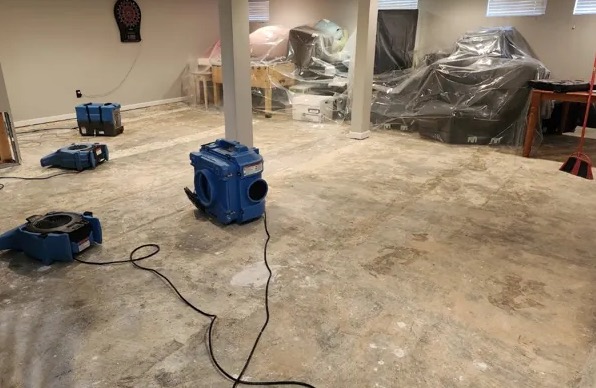
Professional Moisture Detection Services in Glendale, AZ
Hidden moisture within walls and floors often goes unnoticed until stains or odors appear. For properties in Glendale, moisture detection services use infrared scanning and pinless meters to locate dampness accurately.
Properties in Glendale and nearby areas like Maryvale, Alhambra and Peoria benefit from precise moisture detection services to address hidden water damage. Local moisture detection pros use infrared moisture scanning and pinless meter testing to identify dampness in walls and floors, helping prevent mold and structural issues.
Detailed Moisture Detection Services Offered in Glendale
Pinless Moisture Meter Testing
Pinless meters let local water damage pros scan walls and floors quickly without making holes, which suits routine checks and small leaks.
Post-Flood Moisture Assessment
The post-flood assessment creates the roadmap for restoration. By documenting moisture levels throughout the space, the pros in Glendale can execute a thorough, efficient drying process tailored to your specific situation.
Structural Drying Verification
Structural drying verification takes systematic moisture readings to confirm materials are dry. Walls, floors and subfloors must read dry before rebuilding starts.
Subfloor Moisture Inspection
Moisture probes and meters assess the wood or concrete subfloor, which must be completely dry to prevent flooring failure and mold.
Thermal Imaging Moisture Detection
Infrared moisture scanning uses thermal cameras to find hidden water in walls and ceilings. This non-invasive method helps the pros locate damp areas without cutting into surfaces.
Warning Signs You Need Moisture Detection Services in Glendale
Musty or Damp Odors
A persistent musty smell often signals hidden moisture problems. This odor can indicate mold or trapped water in wall cavities.
Unexplained Increase in Utility Bills
A sudden spike in water usage may indicate a leak. Hidden leaks can waste water and cause structural damage.
Spongy Drywall or Soft Spots
Walls or ceilings feel soft or damp to the touch. This sponginess means structural materials have absorbed significant water.
Bubbling or Peeling Paint
Paint or wallpaper loses adhesion and bubbles up. This occurs when moisture gets trapped behind the surface material.
How Moisture Detection Services Work in Glendale
Step 1: Emergency Response and Evaluation
Upon a fast response, the pros perform an emergency evaluation of the water damage situation. They prioritize safety and identify immediate moisture detection needs.
Step 2: Humidity Testing and Environment Scan
Ambient humidity testing and a full environment scan establish baseline moisture levels. This data helps differentiate between surface dampness and deeply absorbed moisture.
Step 3: Wet Spot Detection and Mapping
Floors, walls and ceilings are checked in a grid, and each wet area is logged on a moisture map.
Step 4: Material Dryness Verification Final
The process ends with a final material dryness verification once drying is complete. Pros confirm all structural components are dry to prevent future secondary damage.
Origins of Undetected Moisture in Glendale Homes
Appliance Malfunctions and Overflows
Failed water heaters, washing machines or ice makers often leave moisture hidden under floors.
Flooding From External Sources
Heavy rain or nearby flooding can push water into a building, and it often soaks further than it appears.
Poor Ventilation and Condensation
Inadequate airflow in bathrooms or kitchens traps humidity. This moisture condenses inside walls.
Foundation Cracks and Water Intrusion
Cracks in the foundation or slab let groundwater seep in. This leads to persistent subfloor moisture problems.
Moisture Detection Services for Every Building in Glendale
Residential Moisture Detection Services
Homeowners need moisture detection services to protect their property's value and health. Hidden water in walls or under floors can lead to mold and structural rot.
Commercial Moisture Detection Services
Business owners require moisture detection to maintain operations and protect assets. Undetected moisture can disrupt business, damage inventory, and create liability issues.
The Risks of DIY Moisture Detection Services Versus Professional Help
Wiping up spills and drying wet surfaces immediately after an incident helps limit surface moisture. Improving ventilation by using bathroom fans during showers can reduce ambient humidity.
Investing in Moisture Detection Services for Your Glendale Property
Cost factors for moisture detection services include the extent of suspected water damage and whether follow-up verification visits are needed. The time required for thorough moisture mapping and reporting directly impacts the investment for detection services.
Technology Used
A thermal camera survey plus meter readings costs more than a quick meter check, but covers more area.
Material Types
Different building materials, like drywall versus concrete, require varied detection techniques, affecting the time and tools used.
Service Urgency
Emergency post-flood moisture assessments often involve after-hours work, which can influence the pricing structure for help.
Does Insurance Cover Moisture Detection Services?
Insurance may cover moisture detection services if it is part of a documented water damage event already covered under your policy. Coverage decisions always belong to your insurer, so confirm specifics with them directly.
Selecting Water Damage Pros for Your Glendale Moisture Detection Services Needs
24/7 Emergency Response
Rapid moisture assessment is available around the clock to address urgent leaks and prevent further structural damage.
Clear Process Explanation
You receive a straightforward explanation of the findings and what they mean for your property's condition.
Detailed Moisture Mapping
Professionals create comprehensive maps showing moisture levels, which is crucial for planning effective drying and repair strategies.
Around-the-Clock Help for Emergency Moisture Detection Services in Glendale
For immediate moisture detection after a leak or flood, call (480) 526-4676 for 24/7 emergency service. The pros typically perform infrared scanning and assess the damage quickly to help mitigate further issues.
Call Now (480) 526-4676Locations for Moisture Detection Services Near Glendale
Professional moisture detection is essential in Glendale, to find hidden water leaks and assess damage. Services extend throughout Maricopa County to communities including Maryvale, Alhambra and Peoria for comprehensive inspections.
- Moisture Detection Services in Maryvale
- Moisture Detection Services in Alhambra
- Moisture Detection Services in Peoria
- Moisture Detection Services in Sun City
- Moisture Detection Services in North Mountain
- Moisture Detection Services in Youngtown
- Moisture Detection Services in El Mirage
- Moisture Detection Services in Stetson Valley
- Emergency Damage Restoration in 85301
- Storm Damage Restoration in 85301
- Water Damage Restoration in 85301
- Water Extraction Service in 85301
- Water Leak Detection in 85301
- Water Removal Service in 85301
- Emergency Damage Restoration in 85302
- Storm Damage Restoration in 85302
Moisture Detection Services FAQs
What is material dryness verification?
It is the final meter check that confirms every affected material has dried to normal levels.
Does moisture detection require damaging walls?
Non-invasive methods like infrared scanning and pinless meter testing typically locate moisture without damage; only minimal probing is needed if deeper verification is required.
What tools are used for water damage inspection?
Tools include infrared cameras, pin and pinless moisture meters, hygrometers for humidity testing, and boroscopes for visual checks in cavities.
Can moisture detection find all wet spots?
Moisture mapping checks areas in a grid and finds most wet spots, though places that cannot be reached may need to be opened to check.
How does infrared moisture scanning work?
Infrared scanning detects temperature differences on surfaces caused by evaporating moisture, revealing wet spots behind walls or under floors non-destructively.