DC Ranch, AZ · Maricopa County
Temperature-Controlled Drying in DC Ranch, AZMoisture Mapping & Drying Equipment Deployment
In DC Ranch, Temperature-Controlled Drying from local moisture control experts covers climate-controlled drying systems, moisture mapping, and drying equipment deployment to dry a structure effectively.
Answered 24/7
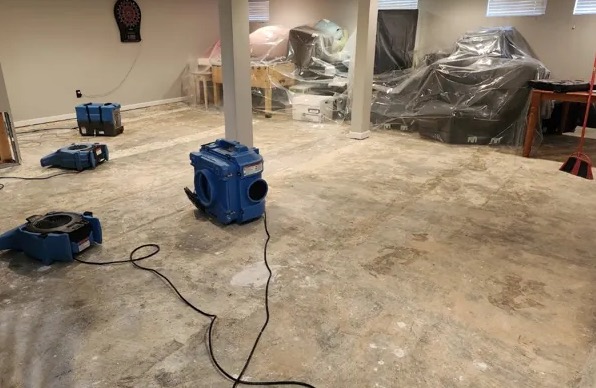
Expert Temperature-Controlled Drying Services in DC Ranch, Arizona
In DC Ranch, moisture left in a structure can cause odors and draw pests. The pros map the damage with infrared cameras and sensors before setting up drying.
In DC Ranch and nearby Grayhawk, McDowell Mountain Ranch and Desert Ridge, fast structural drying stops mold before it starts. Local pros map moisture, then use LGR dehumidifiers and planned air mover placement until readings are normal.
Temperature-Controlled Drying Services in DC Ranch
Moisture Mapping
Moisture mapping uses penetrating and non-penetrating meters to document water migration. This creates a blueprint of wet areas, including hidden moisture behind walls.
Drying Equipment Deployment
Pros set up drying machines with safe power, condensate drainage and placement based on the moisture map.
Humidity Control for Restoration
Dehumidifiers lower the dew point in the affected area, so materials give up their moisture more easily.
Climate-Controlled Drying Systems
Dehumidifiers and air movers keep the air in a contained space warm and dry, so moisture moves out of materials faster.
Rapid Structural Drying Services
Local moisture control experts aim air movers at wet studs, joists and subfloors to dry the structure as fast as it safely can be dried.
Indicators for Temperature-Controlled Drying in DC Ranch Properties
Paint Peeling or Bubbling Up
Paint loses adhesion and forms bubbles or peels away from the wall. This failure is caused by moisture trapped beneath the paint film.
Equipment Running With No Result
Fans or dehumidifiers that run for days without drying the area mean the moisture is deeper than household equipment can reach.
Cracking of Plaster or Joints
Plaster or drywall joint tape develops new cracks or fissures. These cracks occur as wet materials swell and then contract during drying.
Discoloration on Drywall or Ceilings
Yellow or brown water stains appear on surfaces that seem dry. These stains suggest moisture is still present inside the wall cavity.
How Temperature-Controlled Drying Works in DC Ranch
Step 1: Site Evaluation and Equipment Planning
The pros evaluate the site to determine the type and quantity of drying tools needed.
Step 2: Drying Equipment Setup
Industrial air movers and dehumidifiers are set up in the affected zones right away.
Step 3: Controlled Humidity Management
Dehumidifiers pull moist air out of the room, which keeps the air dry enough for materials to keep drying.
Step 4: Progress Tracking With Drying Logs
Temperature, humidity and moisture readings are recorded each day in a drying log.
What Leads to Needing Temperature-Controlled Drying in DC Ranch
Poor Ventilation After a Flood
Closing up a wet room traps humid air, which slows drying and lets moisture soak further into materials.
Storm-Driven Water Intrusion
Heavy rain overflows gutters or gets in around windows and soaks framing and insulation.
Foundation Cracks and Seepage
Hydrostatic pressure forces groundwater through cracks in the foundation wall. This seepage creates a constant dampness that challenges standard drying technology.
Inadequate Initial Water Extraction
Water left behind after a leak or flood moves into subfloors and walls, where it is harder to dry.
Residential and Commercial Drying in DC Ranch, AZ
Residential Temperature-Controlled Drying
At home, moisture hides in attics, crawl spaces and behind finished walls. Pros map it before setting up equipment so the whole house dries.
Commercial Temperature-Controlled Drying
In offices, schools and clinics, pros use quieter drying equipment that can run in occupied spaces, and document when drying is complete.
When to Hire Moisture Control Experts for Temperature-Controlled Drying in DC Ranch
A home's HVAC on 'fan only' mode can circulate air, but it is not a substitute for professional drying. A wet-dry vacuum can remove standing water from a very localized incident.
Investing in Professional Temperature-Controlled Drying in DC Ranch
The experts in DC Ranch base cost on the extent of the water damage, the humidity control needed and how long monitoring runs.
Documentation Requirements
Detailed drying logs and moisture reports for insurance take extra time to prepare.
Moisture Mapping Complexity
Checking moisture in layered floors or hidden cavities takes more time and equipment.
Equipment Needs
The number and type of air movers, dehumidifiers and heaters used affect the cost.
Does Insurance Cover Temperature-Controlled Drying?
Whether insurance pays for thermal drying for water damage depends on your policy's specific language and the cause of loss. The pros meticulously record moisture levels and drying progress to create a verifiable log for your adjuster.
Advantages of Hiring Moisture Control Experts in DC Ranch for Temperature-Controlled Drying
Targeted Thermal Drying
Applying directed heat energy safely accelerates the drying of dense materials, reducing the overall timeline for the restoration project.
Comprehensive Drying Logs
Detailed, chronological logs of moisture readings and equipment settings provide a transparent record of the entire temperature-controlled drying process.
IICRC-Standard Drying Methods
Drying follows industry guidelines and is checked with meters, which keeps framing and floors from staying wet.
24/7 Emergency Temperature-Controlled Drying in DC Ranch
For thermal drying and moisture mapping in DC Ranch, call (480) 526-4676 for help from the pros, day or night, and ask how they will track moisture until the materials are dry.
Call Now (480) 526-4676Temperature-Controlled Drying for DC Ranch and Surrounding Regions
Local pros dry structures and control humidity in DC Ranch and communities such as Grayhawk, McDowell Mountain Ranch and Desert Ridge.
- Temperature-Controlled Drying in Grayhawk
- Temperature-Controlled Drying in McDowell Mountain Ranch
- Temperature-Controlled Drying in Desert Ridge
- Temperature-Controlled Drying in Kierland
- Temperature-Controlled Drying in Troon North
- Temperature-Controlled Drying in Carefree
- Temperature-Controlled Drying in Gainey Ranch
- Temperature-Controlled Drying in McCormick Ranch
Frequently Asked Questions About Temperature-Controlled Drying
Why is moisture mapping important for drying?
Sensors measure moisture across the affected area to show exactly where it is wet, so equipment is aimed at the right spots.
What are the benefits of rapid structural drying services?
Rapid structural drying minimizes the time materials are wet, reducing the risk of swelling, warping, and secondary damage like mold, which helps preserve property value.
What is the strategy behind air mover placement?
They are angled to move air across wet surfaces in a pattern, so moisture evaporates into the air where dehumidifiers can capture it.
How does thermal drying for water damage work?
Thermal drying applies carefully managed heat to increase the evaporation rate of moisture trapped within materials, accelerating the drying process while monitored to prevent damage.
How does humidity control aid in restoration?
Drier air pulls water out of wet materials faster, so lowering humidity speeds up drying.