Tempe, AZ · Maricopa County
Temperature-Controlled Drying in Tempe, AZWater Damage Drying Logs & Air Mover Placement For Drying
Temperature-Controlled Drying in Tempe includes moisture mapping, rapid structural drying services and water damage drying logs from local drying equipment pros.
Answered 24/7
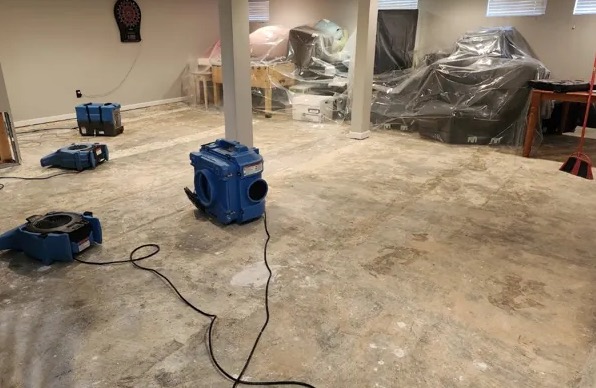
Targeted Temperature-Controlled Drying for Properties in Tempe
In Tempe, moisture left in a structure can cause odors and draw pests. The pros map the damage with infrared cameras and sensors before setting up drying.
In Tempe and nearby Scottsdale, Arcadia and Dobson Ranch, fast structural drying stops mold before it starts. Local pros map moisture, then use LGR dehumidifiers and planned air mover placement until readings are normal.
Comprehensive Temperature-Controlled Drying Solutions for Tempe
Water Damage Drying Logs
Local drying equipment pros compile drying logs with moisture maps, photos, and readings. This report documents the system's performance and the materials' response, demonstrating a professional approach.
Air Mover Placement for Drying
The pros angle and space air movers in each room in Tempe so air flows evenly across every wet surface.
Humidity Control for Restoration
The pros keep humidity low in properties in Tempe, so water evaporates from materials instead of soaking back in.
Thermal Drying for Water Damage
Controlled heat speeds up drying of wet materials in Tempe, which helps prevent swelling wood and failed flooring adhesive.
Climate-Controlled Drying Systems
For complex jobs, the pros use industrial equipment to keep humid air from re-wetting materials, so walls dry all the way through.
Warning Signs Requiring Temperature-Controlled Drying in Tempe
Warping of Wood Floors or Trim
Floorboards begin to cup, buckle, or separate at the seams. This warping is a direct result of excessive, uneven moisture content.
Discoloration on Drywall or Ceilings
Yellow or brown water stains appear on surfaces that seem dry. These stains suggest moisture is still present inside the wall cavity.
Moisture Meter Shows High Readings
A moisture meter reading high inside walls or floors means drying is not finished.
High Humidity Readings Inside
A hygrometer showing unusually high indoor humidity after water damage means the building is still wet.
How Temperature-Controlled Drying Works in Tempe
Step 1: Site Evaluation and Equipment Planning
The pros evaluate the site to determine the type and quantity of drying tools needed.
Step 2: Drying Equipment Setup
Industrial air movers and dehumidifiers are set up in the affected zones right away.
Step 3: Controlled Humidity Management
Dehumidifiers pull moist air out of the room, which keeps the air dry enough for materials to keep drying.
Step 4: Progress Tracking With Drying Logs
Temperature, humidity and moisture readings are recorded each day in a drying log.
Causes of Persistent Dampness Requiring Controlled Drying in Tempe
Foundation Cracks and Seepage
Hydrostatic pressure forces groundwater through cracks in the foundation wall. This seepage creates a constant dampness that challenges standard drying technology.
Poor Ventilation After a Flood
Closing up a wet room traps humid air, which slows drying and lets moisture soak further into materials.
Sprinkler System Activation
A fire sprinkler discharges, releasing a large volume of water quickly. This event saturates entire areas and requires precise air mover placement and strategy.
Inadequate Initial Water Extraction
Water left behind after a leak or flood moves into subfloors and walls, where it is harder to dry.
Temperature-Controlled Drying for All Property Types in Tempe
Residential Temperature-Controlled Drying
At home, moisture hides in attics, crawl spaces and behind finished walls. Pros map it before setting up equipment so the whole house dries.
Commercial Temperature-Controlled Drying
In offices, schools and clinics, pros use quieter drying equipment that can run in occupied spaces, and document when drying is complete.
Temperature-Controlled Drying vs. DIY Drying in Tempe
Letting a room air dry for days risks mold and lets moisture wick into nearby materials. Air movers and dehumidifiers dry it in a fraction of the time.
Understanding Temperature-Controlled Drying Cost in Tempe
In Tempe, the main price factors are how long drying takes and which equipment, such as heaters or desiccants, is used.
Documentation Requirements
Detailed drying logs and moisture reports for insurance take extra time to prepare.
Structural Material Types
Porous materials like concrete or dense wood require more aggressive drying strategies and extended monitoring, influencing the project timeline and cost.
Equipment Needs
The number and type of air movers, dehumidifiers and heaters used affect the cost.
Does Insurance Cover Temperature-Controlled Drying?
Humidity control for restoration following a water incident might be considered under the drying portion of a claim. The pros in Tempe provide precise documentation of the controlled drying systems used and the results achieved.
Selecting Drying Equipment Pros for Temperature-Controlled Drying in Tempe
Advanced Moisture Mapping
Moisture meters and thermal cameras find hidden wet pockets so every affected material is dried.
Targeted Thermal Drying
Applying directed heat energy safely accelerates the drying of dense materials, reducing the overall timeline for the restoration project.
IICRC-Standard Drying Methods
Drying follows industry guidelines and is checked with meters, which keeps framing and floors from staying wet.
Round-the-Clock Emergency Temperature-Controlled Drying in Tempe
Don't let moisture settle in. For emergency deployment of drying equipment and strategic air mover placement to start controlled drying, reach the pros directly at (480) 526-4676, available 24/7.
Call Now (480) 526-4676Temperature-Controlled Drying Near Tempe: Communities Served
Local pros dry structures and control humidity in Tempe and communities such as Scottsdale, Arcadia and Dobson Ranch.
- Temperature-Controlled Drying in Scottsdale
- Temperature-Controlled Drying in Arcadia
- Temperature-Controlled Drying in Dobson Ranch
- Temperature-Controlled Drying in Camelback East
- Temperature-Controlled Drying in Mesa
- Temperature-Controlled Drying in Val Vista Lakes
- Temperature-Controlled Drying in McCormick Ranch
- Temperature-Controlled Drying in Paradise Valley
- Emergency Damage Restoration in 85280
- Storm Damage Restoration in 85280
- Water Damage Restoration in 85280
- Water Extraction Service in 85280
- Water Leak Detection in 85280
- Water Removal Service in 85280
- Emergency Damage Restoration in 85281
- Storm Damage Restoration in 85281
Temperature-Controlled Drying Information and FAQs
How is drying progress verified during moisture monitoring?
Progress is verified by taking comparative moisture readings with penetrating and non-penetrating meters over time, ensuring levels drop to established dry standards for each material.
Can temperature-controlled drying prevent mold growth?
By rapidly removing moisture and controlling humidity, the process creates an environment where mold cannot thrive, significantly reducing the potential for mold.
How long does the temperature-controlled drying process take?
It depends on the damage, the materials and the conditions. Pros monitor readings and stop when moisture goals are met.
What does drying equipment deployment involve?
Pros assess the loss, calculate how much equipment is needed and place air movers, dehumidifiers and sometimes heaters.
Why is moisture mapping important for drying?
Sensors measure moisture across the affected area to show exactly where it is wet, so equipment is aimed at the right spots.