San Tan Valley, AZ · Pinal County
Water Damage Inspection in San Tan Valley, AZPost-Flood Damage Assessment & Post-Remediation Verification
Water Damage Inspection in San Tan Valley covers ceiling water damage inspection, subfloor moisture detection and post-flood damage assessment.
Answered 24/7
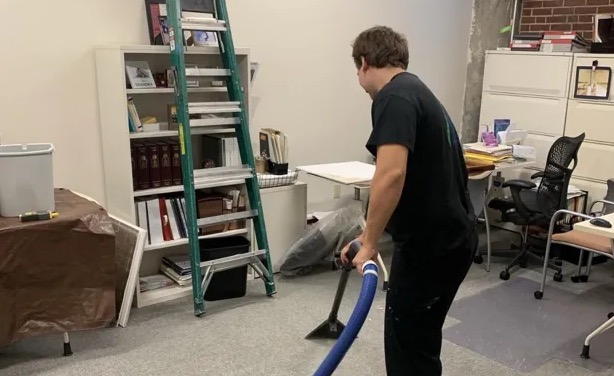
Expert Water Damage Inspection Serving San Tan Valley
In San Tan Valley, a professional water damage inspection provides clarity by revealing hidden moisture that is not visible during a casual look.
In San Tan Valley, an inspection finds moisture from leaks or floods hidden in walls and under floors. Local water damage inspectors use infrared tools and meters, and they also serve nearby Queen Creek, Seville and Power Ranch.
The Water Damage Inspection Process in San Tan Valley
Post-Flood Damage Assessment
After a flood, a damage assessment catalogs impacted materials and saturation levels. Local pros use industry-standard methods to classify water and establish a restoration scope.
Post-Remediation Verification
Local water damage inspectors compare readings after drying with readings from dry areas, so no hidden dampness is left to grow mold.
Subfloor Moisture Detection
Subfloor moisture detection assesses the structural layer beneath flooring for water saturation. The pros use probe meters to check subfloors in San Tan Valley after floor-level leaks.
Infrared Moisture Inspection
Infrared moisture inspection maps temperature differences caused by wet materials. The pros in San Tan Valley scan walls and ceilings with thermal cameras, identifying damp areas without damage.
Wall Cavity Moisture Check
Probes get accurate moisture percentage readings behind drywall after a water incident. This critical step ensures the wall environment is stable and dry before repairs.
Warning Signs You Need Water Damage Inspection
Warped or Buckling Flooring
Cupped hardwood, lifted tiles or spongy laminate often mean moisture under the floor.
Peeling Paint or Wallpaper
Bubbling, cracking, or peeling finishes are classic signs of moisture behind surfaces. This damage often worsens over time.
Discoloration on Walls
Yellow, brown, or dark stains on drywall or ceilings suggest water intrusion. These marks may appear long after the initial leak.
Musty or Moldy Odors
Persistent musty smells often indicate hidden moisture problems. Mold growth can start within 24 to 48 hours of water exposure.
How Water Damage Inspection Works in San Tan Valley
Step 1: Site Survey and Interview
The inspectors discuss the history of the water issue with you and survey the property to understand the context of the damage.
Step 2: Non-Destructive Moisture Testing
Using industry-standard methods, they test building materials without unnecessary damage, identifying wet areas versus dry reference zones.
Step 3: Hidden Water Damage Location
The core task is finding hidden water damage in areas like wall cavities, under cabinets, and within ceiling plenums using sensor data.
Step 4: Findings Summary and Next Steps
You receive a straightforward summary of what was found, what it means, and the recommended actions for drying and repair.
What Triggers the Need for Water Damage Inspection in San Tan Valley
Window and Door Seal Failure
Failed caulking or weather stripping allows driving rain to penetrate, soaking framing and insulation around openings.
Poor Bathroom Waterproofing
Shower pans, tub surrounds, and toilet seals that fail allow water to migrate into subfloors and adjacent rooms.
Appliance Supply Line Failure
The flexible hoses connecting dishwashers, washing machines, and ice makers can burst or develop slow leaks unnoticed.
Plumbing Leaks Behind Walls
Pinhole leaks in supply lines or loose drain connections inside walls release water slowly, causing hidden damage over months.
Residential and Commercial Water Damage Inspection in San Tan Valley
Residential Water Damage Inspection
A ceiling inspection finds where a stain is coming from, such as a roof leak or a bathroom above, and whether the drywall can be saved.
Commercial Water Damage Inspection
For warehouses or gyms, a post-flood damage assessment determines if flooring systems and stored inventory are salvageable. The inspectors check for lingering moisture in concrete slabs and behind masonry walls to inform the recovery plan.
The Limits of DIY Water Damage Inspection in San Tan Valley
Look for puddles, stains or drips and wipe up water on hard floors. Finding leaks behind walls or under floors takes professional meters and cameras.
Factors in Water Damage Inspection Cost for San Tan Valley
In San Tan Valley, a full inspection including attic and subfloor checks costs more than a quick look at one room.
Equipment Used
Infrared cameras and specialized leak detection equipment affect the price of the inspection.
Inspection Scope
A full inspection of ceilings and wall cavities costs more than a quick look at one leak.
Follow-Up Checks
A follow-up check to confirm drying is complete adds to the cost.
Does Insurance Cover Water Damage Inspection?
Homeowners insurance often covers water damage inspection in San Tan Valley when the cause is a sudden, accidental event like a burst pipe. The inspectors document all findings with photos and moisture readings to support your claim.
Selecting Water Damage Inspectors for Water Damage Inspection in San Tan Valley
Clear Assessment Reporting
You receive a straightforward explanation of the inspection findings, including the source, extent, and recommended actions for the water damage.
Fact-Based Inspection Findings
The inspection process is focused solely on gathering factual data about your water damage situation to inform your next decisions.
Advanced Detection Equipment
Using tools like infrared cameras and moisture meters allows for accurate identification of hidden water damage behind walls and under floors.
Emergency Leak Detection in San Tan Valley, AZ
Active water coming in through a ceiling or floor? Call (480) 526-4676 24/7 for the inspectors to inspect ceilings and subfloors.
Call Now (480) 526-4676Local Water Damage Inspection Coverage for San Tan Valley
From San Tan Valley to Queen Creek, Seville and Power Ranch, property owners rely on detailed water damage checks. Infrared moisture inspection helps find moisture in walls and subfloors that isn't visibly apparent.
- Water Damage Inspection in Queen Creek
- Water Damage Inspection in Seville
- Water Damage Inspection in Power Ranch
- Water Damage Inspection in Solera
- Water Damage Inspection in Sacaton
- Water Damage Inspection in Apache Junction
- Water Damage Inspection in Gold Canyon
- Water Damage Inspection in Agritopia
- Emergency Damage Restoration in 85140
- Storm Damage Restoration in 85140
- Water Damage Restoration in 85140
- Water Extraction Service in 85140
- Water Leak Detection in 85140
- Water Removal Service in 85140
- Emergency Damage Restoration in 85143
- Storm Damage Restoration in 85143
Your Water Damage Inspection Questions Answered
What equipment is used for water leak detection?
Tools include infrared cameras, acoustic leak detectors, moisture meters, and borescopes to pinpoint leak locations and assess moisture levels in various materials.
What happens during hidden leak detection?
Pros systematically use sound detection, infrared imaging, and moisture probes to trace the source of a leak you can hear or see effects of but not locate.
What is a wall cavity moisture check?
This involves checking inside wall spaces for moisture using inspection tools, crucial after a leak to help ensure no residual dampness remains within the building structure.
Does a water damage check include mold assessment?
The inspection focuses on moisture presence, which causes mold. While pros note conditions conducive to mold, a specific mold test is a separate specialized service.
Why get a ceiling water damage inspection?
To find leaks from the roof or plumbing above, check stains and sagging, and decide whether the ceiling needs drying or repair.