Buckeye, AZ · Maricopa County
Moisture Mapping in Buckeye, AZWall Cavity Moisture Mapping & Subfloor Moisture Inspection
Moisture Mapping in Buckeye includes post-flood moisture assessment, roof leak moisture tracing and structural drying verification.
Answered 24/7
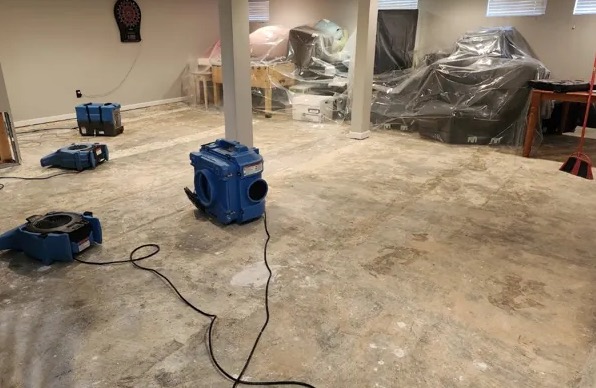
Moisture Mapping from Water Damage Pros in Buckeye
For homes in Buckeye, a scientific, methodical approach to moisture mapping helps ensure no damp area is overlooked during the critical recovery and drying process.
Moisture mapping services in Buckeye involve detailed moisture meter readings and thermal imaging to identify hidden water damage. Available in Buckeye and nearby Estrella Mountain Ranch, Verrado and Tartesso, these services help maintain property integrity through accurate moisture detection.
Comprehensive Moisture Mapping for Buckeye
Wall Cavity Moisture Mapping
Without proper wall cavity mapping, water can remain undetected, leading to costly future damage. Local water damage pros systematically check each wall section to create a complete moisture profile.
Subfloor Moisture Inspection
Pros check under flooring with surface and pin meters to see how much water is there, which decides whether the floor can be dried or must be replaced.
Roof Leak Moisture Tracing
Local water damage pros trace the path of moisture from a roof leak through the attic and down into ceilings and walls.
Condensation Damage Evaluation
The pros evaluate and map moisture damage caused by chronic condensation, often in bathrooms or closets. This identifies areas at long-term risk for mold and material degradation.
Pipe Leak Moisture Mapping
Mapping from a pipe leak often reveals moisture in adjacent rooms and lower levels. The pros in Buckeye use this data to set up a contained drying environment for efficiency.
Symptoms Requiring Moisture Mapping in Buckeye
Cracking or Efflorescence on Masonry
White, chalky deposits or cracks on concrete or brick can signal ongoing moisture penetration and damage.
Visible Mold or Mildew Growth
Mold spots on walls or ceilings mean moisture has been there for days, often from a hidden leak.
Musty or Damp Odors
Persistent musty smells often mean moisture is hidden inside walls, floors or ceilings.
Soft or Spongy Drywall
Drywall that feels soft to the touch has absorbed water and may conceal a larger leak source.
How Moisture Mapping Works in Buckeye
Step 1: Emergency Water Damage Assessment
After a water event, pros check the property right away to find every area that needs mapping.
Step 2: Comprehensive Moisture Detection
The pros use meters and thermal cameras across walls, floors and ceilings to find every wet area.
Step 3: Post-Flood Moisture Assessment
A specific post-flood moisture assessment is done to evaluate saturation levels and plan for effective structural drying procedures.
Step 4: Structural Drying Verification
After drying efforts, structural drying verification is performed to confirm all mapped areas have returned to acceptable moisture levels.
Moisture Mapping for Repeat Damp Problems in Buckeye
Improperly Sealed Windows and Doors
Failed seals around windows and doors allow water infiltration, which can be mapped with thermal imaging water damage techniques.
Foundation Cracks and Seepage
Cracks in the foundation or slab can permit groundwater intrusion, leading to persistent subfloor moisture problems.
Roof Leaks and Damaged Flashing
Compromised shingles, seals, or flashing allow water to seep into attics and walls.
Faulty or Clogged Gutters
Gutters that overflow or are blocked can direct water against the siding and foundation, causing moisture intrusion.
Buckeye Moisture Mapping for All Property Types
Residential Moisture Mapping
Condensation damage evaluation helps homeowners identify chronic humidity issues that cause peeling paint or mold. Addressing these with proper ventilation and insulation protects a home's interior and air quality in Buckeye.
Commercial Moisture Mapping
In apartment and hotel buildings, moisture mapping finds which unit a hidden leak is coming from, so fewer tenants are disturbed.
Moisture Mapping vs. DIY: When to Call Water Damage Pros
After a minor spill, you can use a wet-dry vacuum to extract standing water from hard surfaces. Move fans to the area to promote air circulation for surface drying.
Understanding Moisture Mapping Expenses in Buckeye
Cost considerations for moisture mapping services in Buckeye include the type of damage, such as from condensation or a pipe leak, and the data depth required.
Follow-Up Verification
Including structural drying verification as part of the service extends the project timeline and resource commitment.
Property Square Footage
Larger homes take longer to check room by room, which adds time and cost.
Reporting Detail
Providing thorough moisture meter readings and annotated maps for insurance adds to the post-assessment analysis time.
Does Insurance Cover Moisture Mapping?
For a roof leak moisture tracing claim, an insurance policy might pay for the inspection if the leak caused internal damage. A property owner should verify what is covered by discussing the assessment report with their insurance adjuster.
Benefits of Local Water Damage Pros for Moisture Mapping
Post-Flood Damage Assessment
A systematic post-flood moisture check evaluates saturation levels to inform an effective structural drying plan.
Wall Cavity Mapping
Mapping inside walls finds water trapped in cavities, where it can cause rot and mold without showing on the surface.
Advanced Thermal Imaging
Thermal imaging finds hidden water without needless demolition of walls or floors.
Emergency Moisture Mapping Response for Buckeye
Need to know whether drying worked after a water incident? Call (480) 526-4676 24/7 for moisture mapping that records conditions for your insurer.
Call Now (480) 526-4676Moisture Mapping Available Throughout Maricopa County
Moisture mapping is available in Buckeye and communities like Estrella Mountain Ranch, Verrado and Tartesso, with meter readings and drying checks.
- Moisture Mapping in Estrella Mountain Ranch
- Moisture Mapping in Verrado
- Moisture Mapping in Tartesso
- Moisture Mapping in Tuscany Falls
- Moisture Mapping in Pebblecreek
- Moisture Mapping in Goodyear
- Moisture Mapping in Litchfield Park
- Moisture Mapping in Waddell
- Emergency Damage Restoration in 85326
- Storm Damage Restoration in 85326
- Water Damage Restoration in 85326
- Water Extraction Service in 85326
- Water Leak Detection in 85326
- Water Removal Service in 85326
- Emergency Damage Restoration in 85396
- Storm Damage Restoration in 85396
Frequently Asked Moisture Mapping Questions
After mapping, what is the next step?
Following moisture mapping, the next step is often implementing a targeted drying plan based on the map, or if the leak is active, arranging immediate repairs before drying begins.
What tools are used for moisture meter reading?
Professionals use non-penetrating sensors for surface scans and penetrating probes for deep material checks, providing quantitative moisture content readings in wood, drywall, and concrete.
How does thermal imaging help find moisture?
Thermal cameras read surface temperature differences. Wet areas stay cooler and show up as patterns, revealing water behind walls or under floors without opening them.
What exactly is moisture mapping?
Moisture mapping is a detailed inspection process that uses tools like thermal imaging and moisture meters to create a visual map showing the location and severity of water intrusion within building materials.
How often should moisture inspection occur?
Routine moisture inspection isn't typical; it's performed reactively after leaks or floods, or proactively if you suspect hidden issues like persistent odors or unexplained stains.