Mesa, AZ · Maricopa County
Rapid Structural Drying in Mesa, AZConcrete Slab Drying & Wall Cavity Drying
Rapid Structural Drying in Mesa involves emergency structural drying, wall cavity drying, and flood drying services from restoration pros.
Answered 24/7
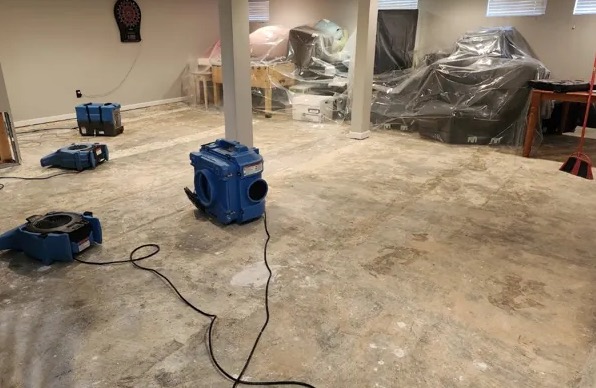
Professional Rapid Structural Drying in Mesa, AZ
Water intrusion from plumbing failures or weather events threatens structural integrity in any property. Untreated moisture leads to wood rot, mold growth and compromised building materials.
Residential structural drying in Mesa focuses on protecting family homes from water-related deterioration. Local moisture removal experts perform flood drying services and moisture mapping services as part of a full response. Coverage includes areas around Dobson Ranch, Gilbert and Val Vista Lakes for convenient access.
Rapid Structural Drying Services in Mesa
Concrete Slab Drying
After a major flood, a concrete floor often holds significant moisture. Drying the slab prevents future problems with flooring and humidity.
Wall Cavity Drying
Moisture locked within a wall demands a focused drying solution. Desiccant dehumidifiers are often used to aggressively pull moisture from the enclosed area.
Moisture Mapping Services
Before drying equipment is set up, a moisture map is created. This service identifies the full extent of water migration in Mesa properties.
Structural Dehumidification
After water extraction, dehumidification tackles the remaining vapor. Structural dehumidification creates a drying gradient, pulling moisture from wet materials into the drier air.
Emergency Structural Drying
A sudden water event requires an immediate drying protocol. High-capacity dehumidifiers then work to pull moisture from the air and structural components, starting the recovery process.
When Rapid Structural Drying Is Needed
Damp Spots on Concrete Floors
Persistent dampness on a concrete slab can leave white mineral deposits and loosen flooring adhesive.
Visible Water Stains on Walls
Yellow or brown stains on drywall or ceilings mean water got into the material and may still be inside.
Warped or Bubbling Floorboards
Hardwood floors that buckle or cup have taken on moisture from below, usually from a wet subfloor.
Recent Plumbing Leak or Flood
Any recent leak or flood can leave water inside walls and floors even after surfaces look dry.
How Rapid Structural Drying Works in Mesa
Step 1: Emergency Response and Moisture Detection
The pros use meters and thermal cameras to find all wet areas and decide which to dry first.
Step 2: Setup of Airflow and Dehumidification
A balanced system of airflow and structural dehumidification is established to pull moisture from materials and condense it out of the air.
Step 3: Specialized Drying for Concrete and Cavities
Specialized techniques like concrete slab drying and forced cavity drying are applied to address moisture trapped in the most challenging structural components.
Step 4: Final Structural Integrity Confirmation
Final moisture readings are recorded for each area to confirm the structure is dry before repairs begin.
Common Causes Requiring Rapid Structural Drying in Mesa
Landscaping or Grading Problems
Improper yard slope can direct water toward a foundation, leading to persistent dampness in slabs and crawl spaces.
Clogged Gutters and Downspouts
When gutters overflow, water pools against the foundation and can seep into crawl spaces, slabs and lower walls.
Overflowing Sinks or Bathtubs
A bathroom overflow can send water under flooring and into wall cavities, where it stays hidden.
Roof Leaks From Storm Damage
Wind-driven rain or damaged shingles allow water to infiltrate attics and wall cavities, leading to widespread structural moisture.
Residential and Commercial Rapid Structural Drying in Mesa
Residential Rapid Structural Drying
Subfloor drying preserves the stability of residential floors. The pros use injectidry systems and floor mat drying to extract moisture from between joists without removing the finished flooring above.
Commercial Rapid Structural Drying
Restaurants and hotels need kitchen subfloors and guest room walls dried quickly. The pros use commercial extraction and drying equipment and work around service hours.
Rapid Structural Drying vs. DIY: When to Call Local Pros
You can sweep water out of a garage or away from a foundation exterior. Inside, place aluminum foil squares on concrete slabs to test for condensation.
Factors Influencing Rapid Structural Drying Costs
For commercial drying in Mesa, cost depends on how long the business is interrupted and the size of the drying setup.
Secondary Damage Prevention
Efforts to prevent mold growth during the drying process, such as applying antimicrobials, can be a factor in the service cost.
Affected Structural Materials
Drying dense materials like concrete slabs or enclosed wall cavities demands specialized techniques and longer durations than drying open areas.
Extent of Water Damage
The square footage and depth of saturation in materials like drywall and subflooring directly impact the drying time and equipment needed.
Does Insurance Cover Rapid Structural Drying?
Coverage for structural moisture removal hinges on the peril named in your homeowners policy. Final approval for any work rests with your insurance company, so direct communication is key.
Why Choose Local Pros for Rapid Structural Drying in Mesa
Industrial-Grade Drying Equipment
High-capacity air movers and dehumidifiers dry crawl spaces and concrete slabs, which hold water longest.
Thorough Process Verification
Drying is monitored until moisture levels in materials meet standard dry criteria before equipment is removed.
Prevention of Mold Growth
Rapid drying helps control humidity levels, creating an environment less conducive to mold development after water intrusion.
Emergency Structural Drying Response
After a burst pipe or flood in Mesa, call (480) 526-4676 any time, day or night, so drying can start before materials soak further.
Call Now (480) 526-4676Local Rapid Structural Drying Coverage Area
Structural drying is available for homes across Mesa, and in nearby places such as Dobson Ranch, Gilbert and Val Vista Lakes.
- Rapid Structural Drying in Dobson Ranch
- Rapid Structural Drying in Gilbert
- Rapid Structural Drying in Val Vista Lakes
- Rapid Structural Drying in Tempe
- Rapid Structural Drying in Alta Mesa
- Rapid Structural Drying in Red Mountain Ranch
- Rapid Structural Drying in Morrison Ranch
- Rapid Structural Drying in Agritopia
- Emergency Damage Restoration in 85201
- Storm Damage Restoration in 85201
- Water Damage Restoration in 85201
- Water Extraction Service in 85201
- Water Leak Detection in 85201
- Water Removal Service in 85201
- Emergency Damage Restoration in 85202
- Storm Damage Restoration in 85202
Common Queries About Structural Drying
How do pros know when structural drying is complete?
The pros use moisture meters to compare readings in affected materials to known dry standards in unaffected areas, ensuring moisture levels are acceptable before concluding the job.
What are moisture mapping services?
Moisture mapping services involve using meters and sensors to create a visual record of moisture levels throughout a structure, guiding the drying process and verifying when materials are dry.
How long does concrete slab drying typically take?
Concrete slab drying time varies with thickness and saturation but often takes several days, as dense concrete releases moisture slowly, requiring sustained use of industrial dehumidifiers and air circulation.
Why is fast response critical for structural drying?
A fast response limits the extent of water absorption into materials, reduces the drying time required, and helps minimize the potential for costly repairs related to structural decay or mold.
Is rapid structural drying needed for clean water leaks?
Yes, even clean water from a broken pipe requires rapid structural drying to prevent absorption into porous materials, which can lead to swelling, warping, and potential mold.