Val Vista Lakes, AZ · Maricopa County
Rapid Structural Drying in Val Vista Lakes, AZCrawl Space Drying & Wall Cavity Drying
Rapid Structural Drying in Val Vista Lakes involves services like wall cavity drying, subfloor drying, and crawl space drying from restoration pros.
Answered 24/7
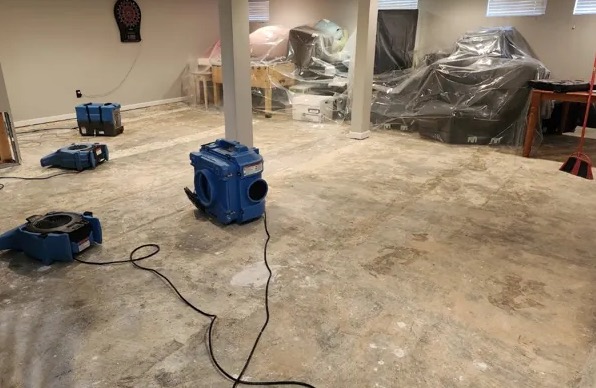
Expert Rapid Structural Drying for Val Vista Lakes Properties
The goal of any water damage response is to return the structure to a pre-loss condition. For homes in the Val Vista Lakes community in Gilbert, achieving this requires professional-grade equipment and proven methods.
Residential structural drying in Val Vista Lakes focuses on protecting family homes from water-related deterioration. Local moisture removal experts perform flood drying services and moisture mapping services as part of a full response. Coverage includes areas around Morrison Ranch, Agritopia and Alta Mesa for convenient access.
Tailored Rapid Structural Drying for Val Vista Lakes
Crawl Space Drying
Crawl spaces are vulnerable to groundwater and plumbing leaks. Effective drying here combines pumping, debris removal, and the strategic placement of air movers and dehumidifiers.
Wall Cavity Drying
Addressing moisture within walls involves specific drying methods for studs and insulation. Moisture meters track progress, verifying that wall cavities are dry before any restoration work in Val Vista Lakes.
Flood Drying Services
After a flood event, drying must be rapid and extensive. The approach is systematic, moving from room to room to stabilize the entire affected area.
Emergency Structural Drying
The priority after water damage is rapid drying. Powerful drying systems are then activated to aggressively remove water vapor and protect the building's integrity.
Concrete Slab Drying
Water under or within a concrete slab can wick upward for weeks. Moisture meters track the slab's drying progress daily.
When Rapid Structural Drying is needed
Damp Spots on Concrete Floors
Persistent dampness on a concrete slab can leave white mineral deposits and loosen flooring adhesive.
Musty Odors in Your Home
A musty smell that will not go away usually means moisture is trapped inside walls or under floors.
Mold Growth on Baseboards
Mold appearing along floor edges often points to hidden moisture in wall cavities or subfloors needing extraction.
Squeaking or Soft Floor Areas
Unusual noises or soft spots when walking indicate compromised subflooring from water damage that needs assessment.
How Rapid Structural Drying Works in Val Vista Lakes
Step 1: Emergency Response and Moisture Detection
The pros use meters and thermal cameras to find all wet areas and decide which to dry first.
Step 2: Setup of Airflow and Dehumidification
A balanced system of airflow and structural dehumidification is established to pull moisture from materials and condense it out of the air.
Step 3: Specialized Drying for Concrete and Cavities
Specialized techniques like concrete slab drying and forced cavity drying are applied to address moisture trapped in the most challenging structural components.
Step 4: Final Structural Integrity Confirmation
Final moisture readings are recorded for each area to confirm the structure is dry before repairs begin.
Common Causes of Water Damage Requiring Rapid Structural Drying in Val Vista Lakes
Burst Pipes or Plumbing Failures
A burst pipe can release hundreds of gallons, soaking drywall, subfloors and framing well beyond the room where it broke.
Overflowing Sinks or Bathtubs
A bathroom overflow can send water under flooring and into wall cavities, where it stays hidden.
Severe Weather and Flooding
Heavy rainfall or localized flooding can overwhelm drainage, leading to water intrusion.
Poor Ventilation in Enclosed Spaces
Inadequate airflow in crawl spaces or wall cavities traps moisture, promoting rot and mold that experts must address.
Rapid Structural Drying for All Property Types in Val Vista Lakes
Residential Rapid Structural Drying
Homeowners face risks from hidden moisture in attics and crawl spaces. Emergency structural drying services use air scrubbers and focused drying to safeguard indoor air quality and the home's structural integrity from slow leaks.
Commercial Rapid Structural Drying
Warehouses and industrial facilities need large-scale drying for wide concrete floors. Professionals employ rapid drying strategies and moisture mapping to prevent corrosion of inventory and structural components.
Professional Rapid Structural Drying vs. DIY Methods
You can use a wet-dry vacuum to remove standing water from hard surface floors. Be sure to document the damage with photos for your insurance claim.
Factors Influencing Rapid Structural Drying Costs
Several factors determine rapid structural drying cost for a home in Val Vista Lakes. The primary considerations are the square footage affected and the complexity of accessing wet structural components like crawl spaces or concrete slabs.
Water Contamination Category
Clean water from a broken pipe is simpler to address than contaminated flood water, which requires more extensive safety and drying protocols.
Access and Complexity
Difficult-to-reach areas like tight crawl spaces or behind finished walls add labor time to the emergency structural drying process.
Project Duration
The total time needed for complete structural dehumidification and achieving dry standards affects the overall labor and equipment rental period.
Does Insurance Cover Rapid Structural Drying?
Coverage for rapid structural drying depends on the insurance policy and the cause of loss. The homeowner should submit this documentation to their insurer, as coverage decisions belong solely to the insurer.
Why Choose Local Restoration Pros for Rapid Structural Drying in Val Vista Lakes
IICRC-Standard Drying Methods
Drying follows set targets checked with meters, which prevents damage from moisture left behind.
Prevention of Mold Growth
Rapid drying helps control humidity levels, creating an environment less conducive to mold development after water intrusion.
Thorough Process Verification
Drying is monitored until moisture levels in materials meet standard dry criteria before equipment is removed.
24/7 Rapid Structural Drying When You Need It
The first 24 to 48 hours after a leak matter most for drying. If you have standing water or soaked walls, call (480) 526-4676 to start drying.
Call Now (480) 526-4676Rapid Structural Drying in Val Vista Lakes and Nearby Areas
Effective rapid structural drying protects the integrity of buildings in Val Vista Lakes. The pros provide specialized drying for affected areas, offering services to Val Vista Lakes and surrounding communities including Morrison Ranch, Agritopia and Alta Mesa.
- Rapid Structural Drying in Gilbert
- Rapid Structural Drying in Morrison Ranch
- Rapid Structural Drying in Agritopia
- Rapid Structural Drying in Alta Mesa
- Rapid Structural Drying in Mesa
- Rapid Structural Drying in Dobson Ranch
- Rapid Structural Drying in Power Ranch
- Rapid Structural Drying in Fulton Ranch
Common Queries About Structural Drying
How long does concrete slab drying typically take?
Concrete slab drying time varies with thickness and saturation but often takes several days, as dense concrete releases moisture slowly, requiring sustained use of industrial dehumidifiers and air circulation.
Why is fast response critical for structural drying?
A fast response limits the extent of water absorption into materials, reduces the drying time required, and helps minimize the potential for costly repairs related to structural decay or mold.
How do pros know when structural drying is complete?
The pros use moisture meters to compare readings in affected materials to known dry standards in unaffected areas, ensuring moisture levels are acceptable before concluding the job.
What is rapid structural drying?
Rapid structural drying is a focused water mitigation process using industrial equipment to quickly remove moisture from building materials like walls, floors, and substructures to prevent further damage.
What areas of a home need structural moisture removal?
Structural moisture removal often targets concealed areas like behind walls, under floors, within ceiling cavities, and in support beams where water can linger and cause hidden damage.